
India Hosts Global AI Summit — What Beginners Should Know
Feb 16, 2026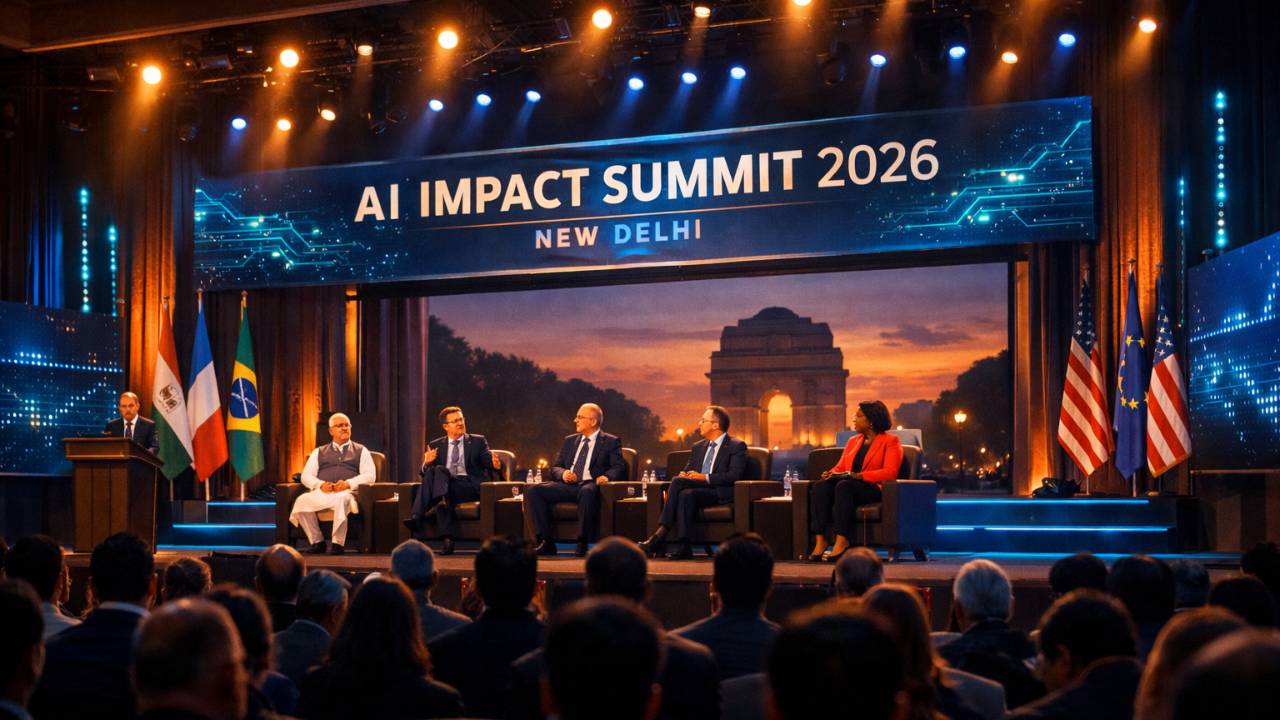
This week the AI world is buzzing as India hosts the 2026 India AI Impact Summit, bringing global attention to how artificial intelligence will shape our future. For the first time, a major AI summit is held in the Global South, in New Delhi, with leaders like French President Emmanuel Macron, Brazil’s President Luiz Inácio Lula da Silva, and India’s Prime Minister Narendra Modi joining top tech CEOs from Google, Microsoft, Amazon, OpenAI, and Anthropic. The event runs Feb 16–20, aiming to bridge innovation, ethics, and inclusive development in AI — though critics warn much of the dialogue may focus more on spectacle than concrete policy.
Alongside the summit comes the India AI Film Festival, blending creativity and technology, and discussions around job displacement, data sovereignty, and the need for upskilling as AI adoption accelerates globally.
On the platform and broader industry front, ByteDance pledged to dial back features in its viral AI video tool after content-owner pushback, showing real-world challenges around AI creativity and intellectual property.
You might be wondering: Why does an international summit about AI matter to beginners?
Think of this summit as a global “town hall” for artificial intelligence — where policymakers, CEOs, and thinkers from around the world gather to talk about how AI will be used, regulated, and shared in the coming years. It’s like a big conversation about both opportunity and responsibility in AI.
For beginners, this matters for a few simple reasons:
1. AI isn’t just about tech companies anymore.
Governments and countries — not just Google or OpenAI — are trying to decide how AI should be developed so it boosts economies, protects people’s rights, and doesn’t leave anyone behind. This shapes things like AI ethics rules, who gets access to tools, and how jobs might evolve.
2. There’s a big focus on fairness and real-world impact.
The summit talks about inclusive AI — meaning AI that helps many people, not just a few. That includes using AI in health, education, and farming, especially in places that haven’t traditionally been at the center of tech innovation. You don’t have to be a coder to care about this — inclusivity affects how you can use or benefit from AI tools.
3. Real challenges are on the table.
People are honest that AI can disrupt jobs, raise privacy questions, and make data control a complex issue. Experts emphasize upskilling — learning new skills — as a practical way to stay relevant as these tools become more widespread.
In short: this summit shows that AI isn’t just cool tech — it’s becoming part of how countries plan for work, education, creativity, and economic growth. Beginners should see this as a sign that understanding AI will help you navigate the future job market and everyday tech conversations.